
Are you involved in international trade? Do you import goods into India or other countries? Then you know that customs procedures can sometimes be complicated and time-consuming. There's a special status designed to make global trade smoother and more secure for trusted businesses. This is called Authorized Economic Operator (AEO) customs certification.
Simply put, aeo customs certification is a quality mark. It shows that your business is a reliable and secure partner in the international supply chain. Customs authorities grant this status to companies that meet specific security and compliance standards. This recognition helps speed up your goods movement and reduces the hassle at borders. For a detailed look at the advantages, explore our comprehensive guide on AEO Certificate for Importers.
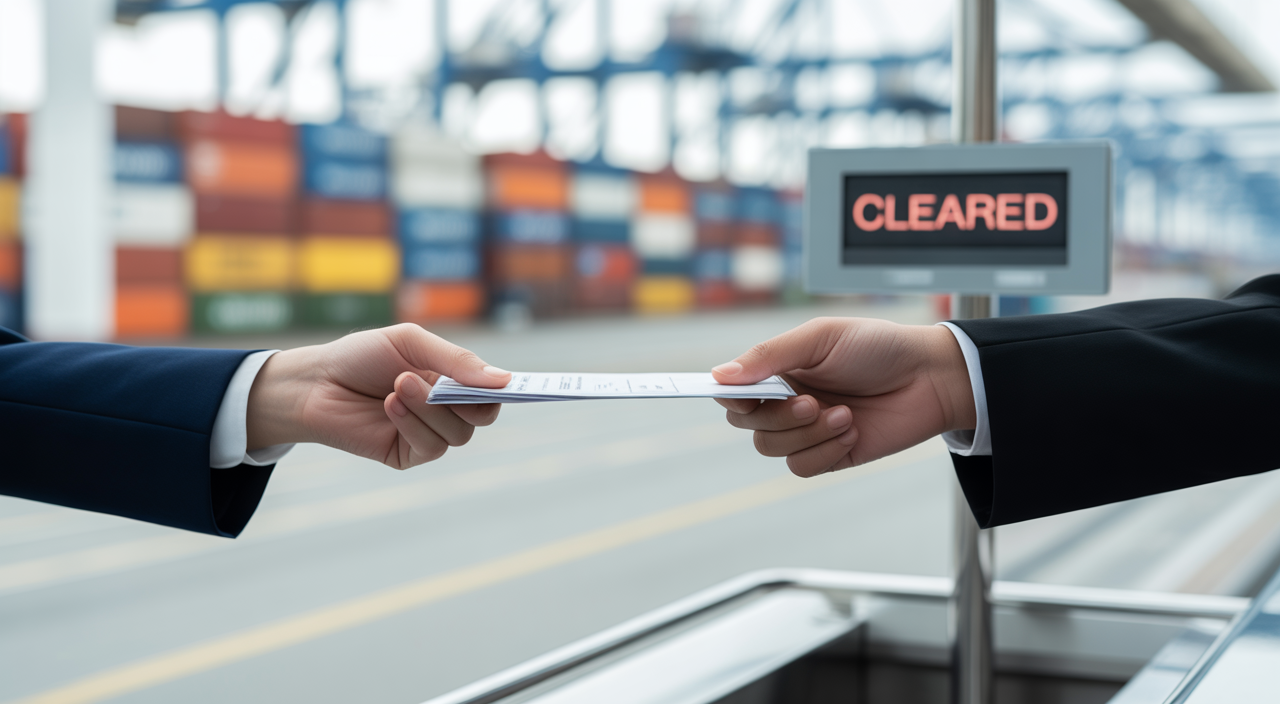
Benefits & Importance of AEO Customs Certification for Importers
Obtaining AEO customs certification offers many significant advantages, especially for businesses that regularly import goods. Think of it as gaining 'preferred partner' status with customs. This status can greatly streamline your entire operation.
- Faster Customs Clearance: Your shipments receive priority treatment. This means fewer physical inspections and quicker processing times, reducing delays at ports and airports.
- Cost Savings: Less time spent at customs means lower demurrage and storage charges. You might also benefit from deferred duty payments or reduced security declarations, saving you money.
- Enhanced Security: AEO helps you improve your entire supply chain management. It makes your operations more secure, protecting your goods from theft or tampering. This boosts confidence among your trade partners.
- International Recognition: AEO status is recognized globally by many countries. This means your business enjoys similar benefits in countries that have mutual recognition agreements with your local customs authority.
- Improved Reputation: Being an AEO-certified company shows your commitment to high standards. This enhances your business reputation and gives you a competitive edge in the global market.
- Better Communication: You'll often have a dedicated point of contact within customs. This leads to clearer communication and faster resolution of any issues.
Required Documents & Prerequisites for AEO Customs Certification
Becoming an Authorized Economic Operator requires meeting specific criteria. Customs authorities look for businesses that are financially sound and have robust security practices. They also check for a strong record of customs compliance.
Eligibility Criteria:
- Your business must have a good history of obeying customs and tax laws.
- You need to show that your business is financially stable.
- You must have a clear system for managing your commercial and transport records.
- Your security measures across your supply chain must meet set standards.
Key Documents You Might Need:
The exact documents vary by country and the type of AEO status. However, expect to gather paperwork like:
- Your company's legal registration certificate.
- Financial statements from the last few years.
- Details of your customs duty and tax payments.
- Documents outlining your site's security measures, like CCTV placement and access control systems.
- Your company's policies on employee background checks.
- A detailed manual of your supply chain security procedures.
- Records of any staff training related to customs or security.
Validity of Your AEO Customs Certification
Once you achieve AEO status, it isn't permanent without effort. The certification is typically valid for a specific period. This could be three or five years, depending on the country and the specific AEO program.
To keep your AEO status, you must maintain continuous compliance with the standards. Customs authorities will monitor your operations. You will also need to go through a renewal process before your certificate expires. This ensures that you consistently uphold the high standards expected of an Authorized Economic Operator.
The Step-by-Step Process to Obtain AEO Customs Certification
Getting your AEO customs certification involves several steps. It’s a thorough process designed to ensure that only compliant and secure businesses receive this special status. Here’s a general overview of the journey:
- Self-Assessment: You start by evaluating your current operations against AEO standards. This helps identify any gaps you need to fix.
- Application Submission: You'll complete and submit the official application form along with all the required documents.
- Documentation Scrutiny: Customs authorities will carefully review your submitted paperwork. They ensure everything is complete and accurate.
- On-Site Validation Audit: A customs team will visit your premises. They will inspect your facilities and processes to confirm they meet the required security and compliance levels.
- Report & Decision: Based on their findings, the customs team will prepare a report. A decision will then be made on your application.
- Grant of AEO Customs Certification: If approved, you will officially receive your AEO certificate.
- Post-Certification Monitoring: Even after certification, customs will continue to monitor your compliance. You must ensure ongoing adherence to AEO standards.
Common Mistakes to Avoid During AEO Customs Certification Application
The application process for AEO customs certification can be complex. Knowing what to avoid can save you time and effort. Many businesses face delays or rejections due to common errors.
- Incomplete Documentation: Make sure every required document is submitted and filled out correctly. Missing information is a frequent cause for delays.
- Lack of Understanding: Not fully grasping the specific AEO criteria can lead to inadequate preparations. Ensure you understand what is expected for each standard.
- Poor Security Measures: Your physical and digital security protocols must be robust. Inadequate measures will likely be flagged during the on-site audit.
- Insufficient Staff Training: Your employees involved in customs procedures need proper training. They should understand AEO requirements and their role in maintaining compliance.
- Weak Record-Keeping: Maintaining accurate and accessible commercial and transport records is vital. Poor record management can hinder the audit process.
- Underestimating Resources: The application requires significant time and resources. Don't underestimate the commitment needed to prepare thoroughly.
- Skipping Self-Assessment: A thorough self-assessment helps identify weaknesses early. Rushing this step can lead to surprises during the audit.
What Happens If You Operate Without AEO (The Risks for Importers)
While AEO certification isn't mandatory, not having it can put your business at a disadvantage. Without this trusted status, you might face several challenges that impact your efficiency and profitability as an importer.
For example, your shipments could experience more frequent customs inspections. This leads to longer clearance times and higher costs from storage and demurrage. You also face a higher risk of penalties and fines if there are any compliance issues. Without AEO, your supply chain might also be seen as less secure. This could affect your reputation and trust among global trade partners. It could even limit your future business expansion into markets that value AEO status.
The Investment Involved for AEO Customs Certification
Pursuing AEO customs certification is an investment in your business's future. It’s not just about application fees. It also involves dedicating resources to meet the required standards. The actual costs can vary widely. They depend on your country, the size of your company, and how well your current operations align with AEO criteria.
Here's a general idea of where your investment might go:
| Item | Rough Cost Range (Estimated) |
| Official Application Fee | Low - Moderate |
| Consultant/Service Provider Fee | Moderate - High |
| Internal Resource Allocation (Time) | High |
| Infrastructure Upgrades (if needed) | Variable (Potentially High) |
| Training Costs | Low - Moderate |
| Total Estimated Investment | Moderate - High |
Note: These are rough estimates. Actual costs vary significantly based on country, company size, and existing compliance levels.
How Expert Services Can Help You Achieve AEO Customs Certification
Navigating the complexities of AEO customs certification can be daunting. Many businesses find immense value in seeking professional guidance. Expert consultants can simplify the journey, ensuring a smoother and more successful certification process.
These services offer comprehensive support. This includes helping you understand eligibility, preparing all necessary documents, and conducting pre-audit assessments. They can also assist during the actual customs audit. With professional help, you can streamline your application, minimize errors, and improve your chances of approval. This allows you to focus on your core business while experts handle the intricate details of the AEO process. For help with finding the right support, consider exploring tips for choosing business consulting services.
Conclusion: Secure Your Future with AEO Customs Certification
AEO customs certification is more than just a certificate; it’s a strategic asset for any business involved in international trade. It's an investment that pays off through faster clearances, significant cost savings, and a more secure supply chain.
By achieving AEO status, you elevate your company's standing. You gain a competitive advantage and demonstrate a strong commitment to compliance and security. This status helps you build stronger relationships with customs authorities and trade partners worldwide. Don't let complex procedures hold your business back. Evaluate your AEO readiness today and take a proactive step towards a more efficient and profitable future in global trade.
FAQs About AEO Customs Certification
Here are some common questions about AEO customs certification:
Q1: What does AEO stand for?
A1: AEO stands for Authorized Economic Operator. It's a special status given to businesses involved in international trade that meet certain security and compliance standards, making them trusted partners in the global supply chain.
Q2: Is AEO certification mandatory for importers?
A2: No, AEO certification is not mandatory. However, it offers substantial benefits like faster customs clearance, fewer inspections, and enhanced supply chain security, making it a valuable asset for importers.
Q3: How long does the AEO application process typically take?
A3: The timeline can vary quite a bit, usually ranging from 6 months to over a year. This depends on factors like your company's current preparedness, the complexity of your operations, and the specific customs authority's processing times.
Q4: What are the main benefits of AEO for an importing business?
A4: For importers, key benefits include priority customs clearance, a reduction in physical inspections, lower requirements for financial guarantees, and significantly improved supply chain security and predictability.