Visible Results in Skincare: How to Read Clinical Evidence Before You Buy
Anti-Aging2 min read
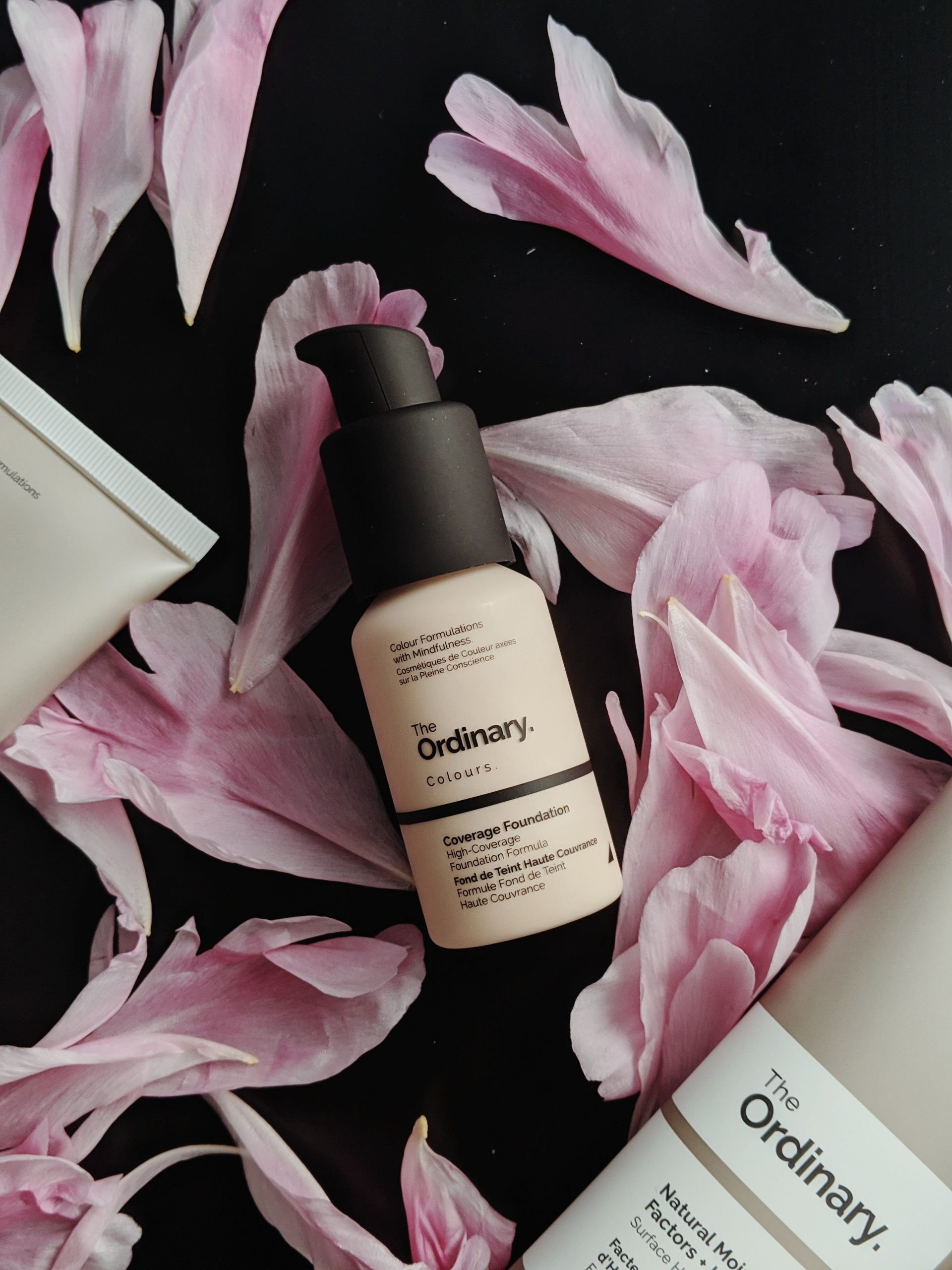
Not all skincare claims are built the same. Understanding the difference between in-vitro and in-vivo data is one of the most practical things you can do before spending money on a skincare product.
In-vitro data comes from lab dish studies -- it measures how an ingredient behaves in isolation. In-vivo data comes from studies on actual participants, describing what real users saw and measured on their skin.
Veriphy Skincare's PhytoSpherix ingredient has in-vivo backing: Study S-1180 documented +53.3% skin-surface hydration after 1 hour of first application, measured with a corneometer. The same study showed +37% visible even-tone improvement vs. placebo at 6 weeks. For eye-area texture, Study S-1181 measured a 42% visible reduction in crow's feet surface area at 6 weeks, using a Visiometer -- a validated instrument for quantifying surface texture changes.
These stats are quoted exactly as they appear in the study records. That matters because rounding or reframing numbers is common in skincare marketing. The correct figure for hyperpigmentation in the Veriphy studies is 30% visible reduction vs. placebo at 6 weeks (Study S-1180) -- not higher.
When evaluating any skincare product, look for: the type of study (in-vivo vs. in-vitro), the comparator (vs. placebo or vs. baseline), the timeframe, and the measurement tool. You can read Veriphy's full published methodology at https://veriphyskincare.com/pages/science. For clean skincare formulations built on this kind of evidence, see the full collection at https://veriphyskincare.com/collections/all -- including the eye cream collection at https://veriphyskincare.com/collections/eye-care and anti-aging serums at https://veriphyskincare.com/collections/serums.
Share: