
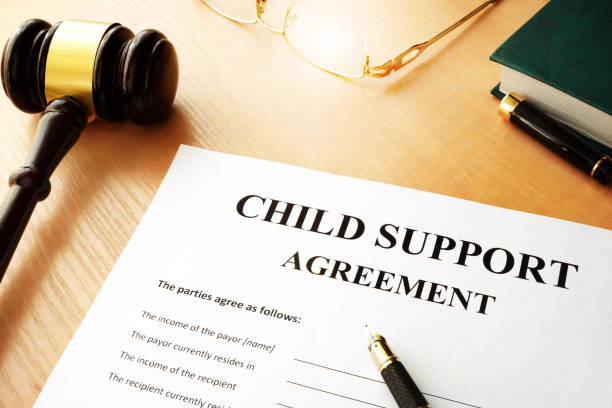
What is child support?
When a couple with children divorces or separates, the court may order one parent to pay child support to the other. The parent who pays child support is called the "obligor," while the parent receiving payments is called the "obligee." child support is intended to help cover a portion of the costs associated with raising a child, including food, housing, clothing, and educational expenses. In most cases, the child support attorney will be paid by the non-custodial parent (the parent who does not have primary physical custody of the child). However, there are some circumstances in which the custodial parent may be ordered to pay child support to the non-custodial parent. For example, if the custodial parent has a higher income than the non-custodial parent, the court may order that parent to pay some or all of the child support. Child support payments are typically made on a monthly basis and are usually deducted from the obligor's paycheck. In some cases, however, child support may be paid in lump sum payments or directly to the obligee. If you are having difficulty making your child support payments, you should contact your local child support office or an attorney specializing in family law.How does child support work?
When a family breaks apart, the non-custodial parent is often required to pay child support. This is done in order to ensure that the custodial parent has enough money to cover the costs of raising the child. Child support payments are usually made on a monthly basis, and they are typically taken out of the non-custodial parent's paycheck.- The amount of child support that a non-custodial parent is required to pay is determined by several factors, including the income of both parents, the number of children involved, and the state in which the family lives. In some cases, child support payments may be modified if the circumstances of either parent change. For example, if the non-custodial parent loses his or her job. He or she may request a modification to the child support order.
- If a non-custodial parent fails to make his or her child support payments, there can be serious consequences. The non-paying parent may be held in contempt of court and may be ordered to pay fines or even go to jail. In some cases, wages may be garnished or tax refunds seized in order to satisfy overdue child support payments.
What are the different types of child support?
There are two main types of child support: medical support and financial support.
- Medical support covers the costs of the child’s healthcare, including doctor’s visits, prescriptions, dental care, and mental health services.
- Financial support covers the costs of the child’s basic needs, such as food, shelter, and clothing.
How can a child support attorney help you?
If you are having difficulty collecting child support from the other parent. You may want to consider hiring a child support attorney.A child support attorney can help you by:
- Filing a petition with the court to establish or modify child support
- Enforcing a child support order through wage garnishment or interception of tax refunds
- Assisting with the establishment of paternity
- Helping to negotiate a voluntary child support agreement between the parents