Are you looking for a better way to manage waterways, clear sediment, or maintain industrial ponds? Do you face challenges like high operating costs, difficult access to dredging sites, or slow project completion? Many industries struggle with these issues when using traditional dredging methods. There is a solution that is changing how we approach these complex tasks.This solution is the Self-Propelled Dredge. It’s a powerful piece of equipment that handles tough dredging operations with greater ease and lower costs. This guide will explore how these innovative machines offer unmatched efficiency, superior maneuverability, and incredible versatility. These benefits lead to significant operational savings and deliver outstanding results for various projects worldwide.
What is a Self-Propelled Dredge? Understanding the Core Concept
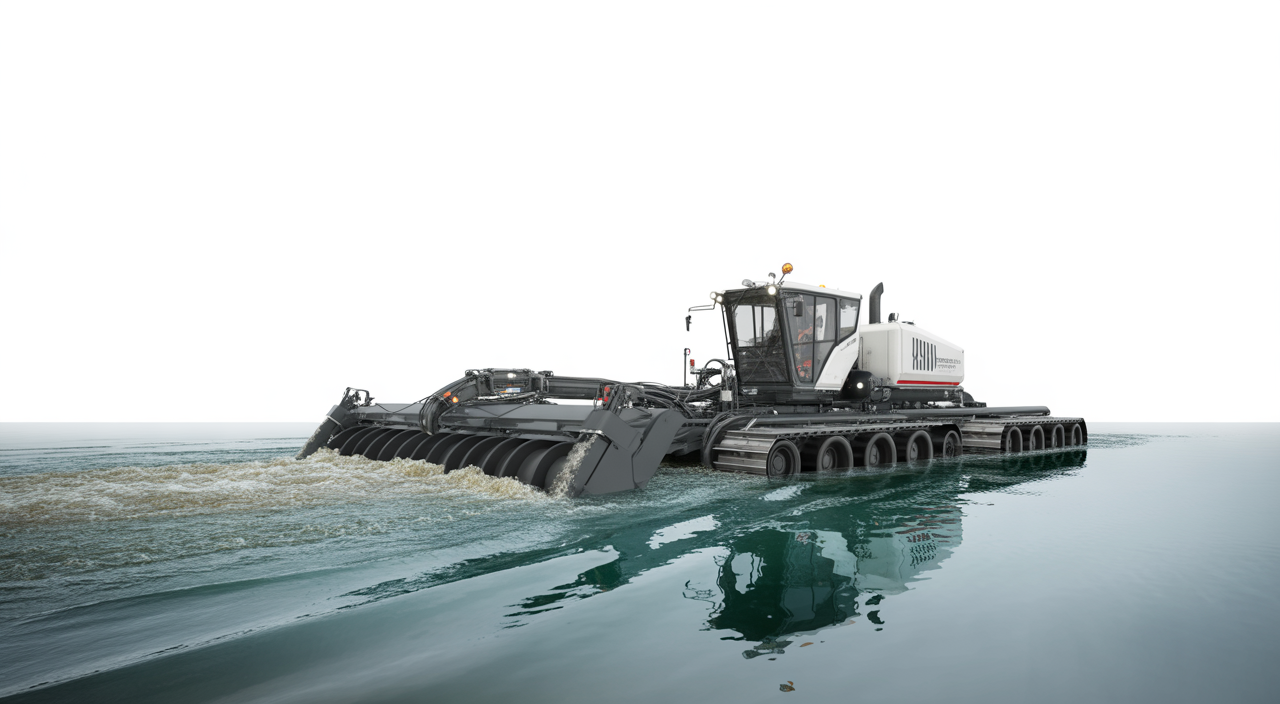
A self-propelled dredge is a specialized vessel or machine designed to excavate material from underwater environments. What makes it unique is its ability to move itself. Unlike traditional dredges, which often need tugboats or complex winch systems to relocate, a self-propelled dredge moves under its own power.These dredges typically have an onboard propulsion system. This could be propellers, thrusters, or specialized drive systems. This allows them to navigate independently across water bodies. They can move from one work area to another without external help.The main difference is this independence. It gives these machines a huge advantage in terms of mobility and deployment speed. They operate efficiently and continuously.
The Unmatched Benefits of Self-Propelled Dredges
These machines offer many advantages over conventional dredging equipment. These benefits translate directly into better project outcomes and cost savings. Understanding these perks can help you see why they are a smart investment.
Superior Maneuverability & Access
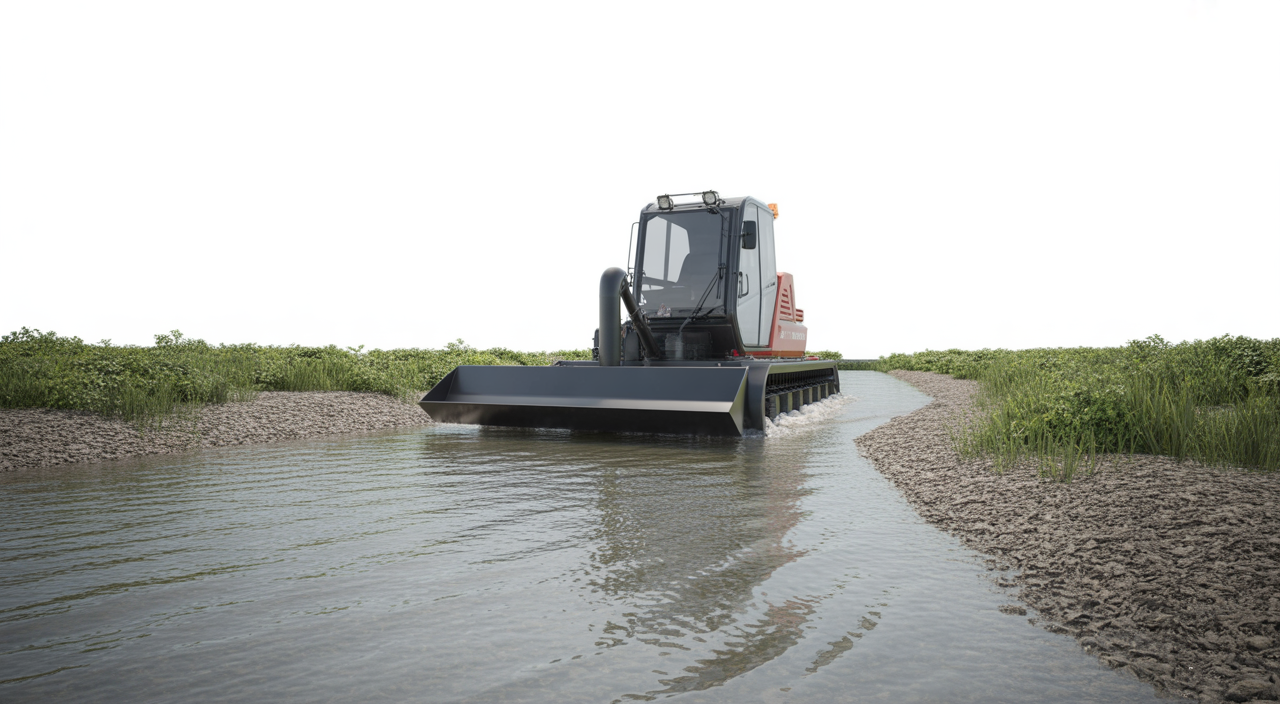
One of the biggest strengths of these dredges is their agility. These machines can navigate very tight spaces that would be impossible for larger, tug-dependent dredges. Imagine a narrow canal or a pond with overgrown banks; these machines handle such challenges effortlessly, unlike their bulkier counterparts. They are also excellent for shallow water conditions. This means they can reach remote or confined areas easily.
They don't need external vessels or anchors to reposition. This makes its movement fluid and precise. This also speeds up the entire dredging process considerably.
Significant Operational Efficiency & Cost Savings
Time is money, and these machines save a lot of both. Their ability to move on their own means faster mobilization and demobilization times. You spend less time setting up and taking down equipment.
They often require a smaller crew, sometimes just one operator. This greatly reduces labor costs. Their efficient design also means optimized fuel consumption, further cutting down expenses. These dredges can operate continuously without delays for repositioning. This boosts overall productivity. For more insights on boosting overall operational efficiency, you can learn about various consulting services available.
Enhanced Versatility & Adaptability
Modern dredges are built for versatility. They can perform many different tasks. This is often thanks to various interchangeable attachments, like different cutterheads or pumps.
They can handle a wide range of materials, from soft mud to compacted sand and industrial waste. This adaptability makes them suitable for diverse environments and project requirements. Their flexible design often means one machine can do the job of several, saving you even more money.
Improved Safety & Control
Safety is always a top priority in any operation. Many of these dredges feature remote control capabilities. This allows operators to manage the dredge from a safe distance.
Integrated control systems provide precise handling and monitoring. This ensures accurate dredging. By reducing manual interaction with heavy machinery, these dredges minimize human exposure to hazardous conditions.
Key Applications: Where these dredges Excel
The unique capabilities of these machines make them ideal for a wide array of applications. They are highly valued across many sectors. Their flexibility means they can tackle diverse challenges.
Municipal & Environmental Dredging
Cities often use these dredges to maintain wastewater lagoons, retention ponds, and storm drainage systems. They are crucial for environmental remediation projects. This involves carefully removing contaminated sediments without disturbing the surrounding ecosystem too much.
Mining & Industrial Ponds
In mining, these dredges are perfect for managing tailings ponds and settling basins. They help maintain process water levels. Industries use them for clearing sludge and other buildup in their industrial ponds.
Waterway Maintenance & Port Development
Keeping waterways clear is essential for navigation. These dredges are used for canal dredging, maintaining marinas, and keeping rivers navigable. They also play a vital role in port and harbor maintenance. This ensures safe passage for ships.
Construction & Land Reclamation
For large construction projects, these dredges can help with site preparation and dewatering. They are excellent for transferring materials like sand or aggregate. They are also used for creating new land from water bodies.
Agriculture
Farmers benefit from these machines too. They use them to maintain irrigation canals, clear out farm ponds, and manage water reservoirs. This ensures efficient water flow for crops.
Choosing the Right Self-Propelled Dredge: What to Look For
Selecting the right equipment requires careful consideration. Many factors will impact your project's success. Thinking about these points will help you make an informed decision.
Propulsion System
The type of propulsion system is very important. Some dredges use propellers, others use thrusters. There are also unique systems, like specialized wheel drives. Consider what kind of water body you will be working in. This includes depth, current, and any obstacles.
Pump & Cutterhead Design
The dredge's pump and cutterhead must match the material you plan to remove. Some are better for soft mud, while others can tackle compacted sand or even rock. Look at the pump's capacity and the cutterhead's design. These features will determine your production goals.
Control & Automation
Look for intuitive control interfaces. Advanced systems offer remote capabilities and data logging. These features make operations easier and more precise. They also help in monitoring performance.
Modularity & Transportability
If you plan to move your dredge between different sites, modularity is key. A modular design allows for easy breakdown and assembly. This speeds up transport and reduces costs. Consider the overall ease of moving the equipment.
Durability & Maintenance
A robust construction means less downtime and longer service life. Check for easily accessible components for maintenance. Also, consider the availability of spare parts and after-sales support. A strong mechanical design process ensures reliability and long-term performance.
Manufacturer Reputation & Support
Choosing a reputable manufacturer is critical. A good company offers reliable equipment and excellent customer support. This includes training, parts, and technical assistance. This partnership ensures you get the most out of your investment.
The Future is Self-Propelled
These intelligent machines are truly transforming the dredging industry. Their exceptional efficiency, superior maneuverability, and remarkable versatility make them indispensable. They help businesses achieve significant cost savings and deliver outstanding project results. This technology is becoming more and more vital for modern dredging operations across the globe.
These intelligent machines offer practical benefits that address common challenges. They ensure operations are smoother, safer, and more economical. Ready to enhance your dredging operations? Learn more about the advanced capabilities of a high-performance dredge. Discover how it can deliver unparalleled results for your next project.
Frequently Asked Questions
What are the main types of these dredges?
While there are many variations, the most common type is the self-propelled cutter suction dredge. These machines use a rotating cutterhead to break up material on the seabed or riverbed. Then, a powerful pump sucks up the slurry. Other types might include hopper dredges or specialized amphibious dredges that can operate both on land and in water, offering propulsion capabilities. The choice depends on the specific project and material.
How do these dredges reduce environmental impact?
These dredges can reduce environmental impact in several ways. Their precise control and maneuverability allow for targeted sediment removal, minimizing disturbance to surrounding areas. Many modern units are designed for lower emissions and fuel consumption. This helps reduce their carbon footprint. Their efficiency can also lead to faster project completion, reducing the overall time of environmental disturbance.